
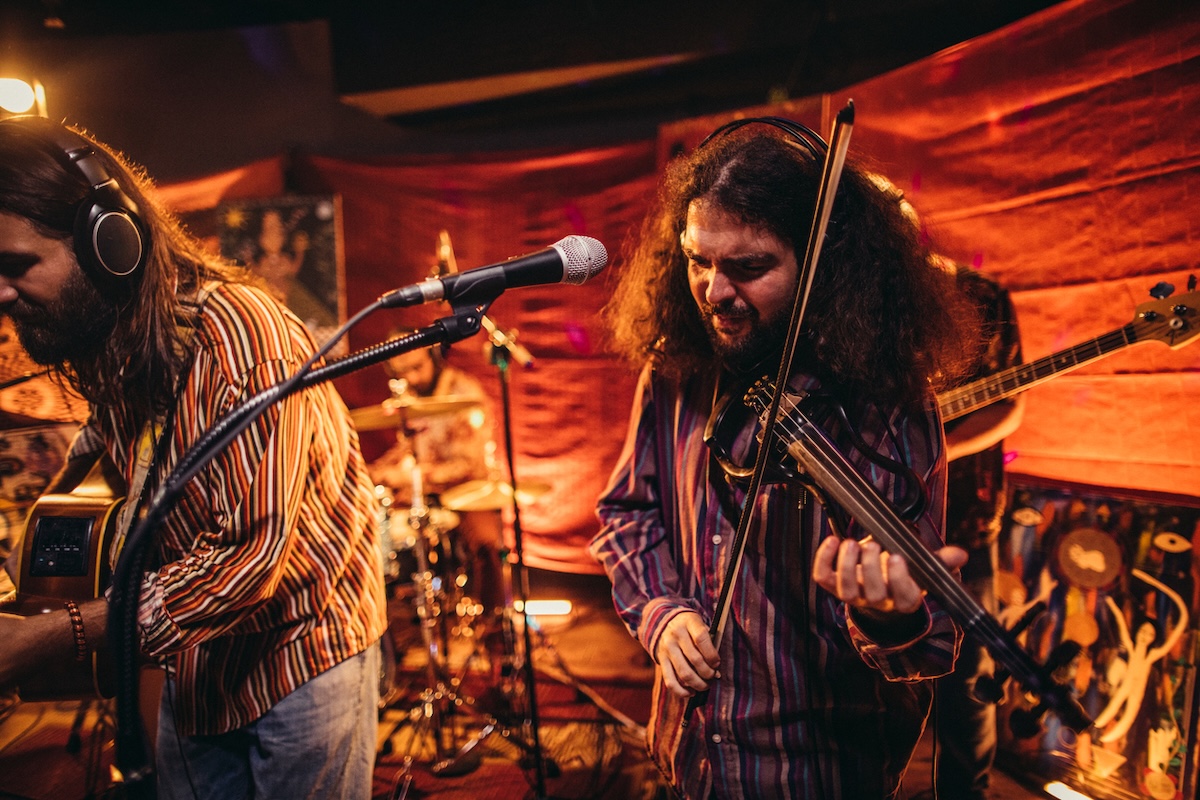
There’s a reason you can recognize a Jimi Hendrix riff in two seconds, detect the emotional expression of a Yo-Yo Ma performance in the first several notes, or feel the unmistakable energy of a Taylor Swift intro before she’s even said a word. That recognition is branding. And whether you’re a classical violinist or an indie singer-songwriter grinding through open mics, musician branding is one of the most powerful investments you can make in your career.
How to Brand Yourself As a Musician
Start With Your Musical Identity and Unique Selling Proposition
Before you design a logo or start becoming more serious about your musical career, you need to answer a deeper question: Who am I as an artist?
Your musical identity reflects not only what you play, but how and why you play it. From that identity springs your unique selling proposition (USP), the thing that makes you irreplaceable in a sea of talented musicians.
Consider what distinguishes your artistry:
- Genre influences and stylistic approach
- Emotional tone or storytelling perspective
- Performance goals and aspirations
- Personal experiences that shape your creative voice
Maybe you’re a cellist blending classical technique with hip-hop production. Maybe you’re a folk guitarist documenting immigrant stories. That specificity becomes a powerful advantage when branding as a musician, and will help you determine which gigs align with your aesthetic and goals.
Know Your Audience
Every successful example of branding in the music industry considers the audience experience. Understanding your audience—their age, listening habits, favorite platforms, and motivations—helps guide decisions about repertoire, presentation style, and communication tone.

Ask yourself:
- Where does my desired audience discover music?
- What emotional experience do they seek?
- What visual or stylistic elements resonate with them?
- What venues or ensembles align with my musical direction?
Research your audience, engage with existing fans, and pay attention to who responds most strongly to your work. That feedback loop is invaluable.
Build a Cohesive Visual Identity
Visual branding is often where musicians either overthink or overlook key opportunities. When aligned with your musical voice, your visual identity becomes an extension of your sound.
1. Color and design carry emotional weight.
Deep burgundy and gold communicate classical prestige. Earthy tones suggest folk or down-to-earth authenticity. Choose a palette that aligns with how your music feels, and use it consistently across every visual touchpoint.
2. Typography and logos reinforce tone.
Your logo will appear on social profiles, merchandise, press kits, and performance materials, so invest time (and sometimes money) in getting it right.
3. Wardrobe is your visual identity in motion.
What you wear on stage communicates genre, era, attitude, and intention before you play a single note. It doesn’t have to be an elaborate costume. A signature accessory, consistent color story, or recurring silhouette can be enough to make you visually memorable.
4. Instrument setup matters more than most musicians realize.
The gear you choose — your instrument, stand, effects board, etc. — forms part of your visual identity, especially in an age when performance footage is shared constantly. Every detail the camera catches is an opportunity to reinforce who you are, right down to the bow in your hand.
Fortunately, CodaBow’s Chroma line offers customizable frog and accent colors so string players can visually align their bow with their personal brand and make it as much a part of their signature as their sound.
Establish a Strong Social Media Presence
Social media is the primary way most fans discover, follow, and build loyalty with musicians. The goal is not to appear everywhere, but to show up intentionally where your audience already spends time. So, choose platforms that align with your audience and your content strengths.
But whatever platforms you select, consistency is crucial. Post regularly, maintain your visual aesthetic, and engage meaningfully with your audience. Respond to comments. Acknowledge fan art. Thank people who share your work. Ask your followers questions. Run polls. Go live occasionally without a script.
These interactions make fans feel seen, and fans who feel seen become advocates who bring new listeners and opportunities.
Share Your Story
People don’t just connect with music; they connect with musicians. Your background, your influences, and your struggles are all part of your brand narrative. Don’t keep that story locked away.
Share what made you fall in love with your instrument. Post about the lessons you learned from auditions or performances. These moments of vulnerability and humanity build trust, deepen fan loyalty, and distinguish you from the thousands of talented performers.
Also, authenticity is non-negotiable. The most carefully engineered brand falls apart if it doesn’t feel real. Modern audiences have finely tuned inauthenticity detectors. They’ll embrace quirk and imperfection far more readily than a polished, manufactured persona.
Performance Style as Brand Expression
How you carry yourself on stage, audience interactions, and the energy you project between songs are all a part of your brand expression. Your performance style should feel like a natural extension of your recorded sound and online persona.
Are you intensely focused and technically precise? Are you warm and conversational with the crowd? Whatever your natural performance energy is, lean into it. Audiences remember how you made them feel, and consistency between your online presence and live performance builds the trust that converts casual listeners into devoted fans.
Monitor and Evolve
Pay attention to what resonates with your audience and what gets shared and lean into it. Analytics on social media is also a great source of feedback.
Artists evolve, and their brands should too. The key is to evolve with intention rather than lurching in random directions, following whatever trend is momentarily dominant. Stay grounded in your core identity while allowing the edges to grow and shift as your music does.
Your Sound Deserves a Look That Matches
Your musical identity deserves tools that reflect who you are. With CodaBow’s Chroma line, you can customize your bow’s aesthetic to match your personality, ensemble colors, or signature style without sacrificing world-class performance. Explore the Chroma collection and design a bow that looks as distinctive as you sound.


